
These are commonly discussed research protocols shared for educational reference. Escalating without a specific reason is the most commonly described protocol error with this compound. Because the reported range tops out at 10 mg per administration, a single vial is anything from one administration to a full week of them depending on where in the range a protocol sits. It is not an approved medication (human trials have not settled dosing), and the protocols circulating online are extrapolations rather than clinical standards.
MOTS-C is different, it’s encoded in mitochondrial DNA (mtDNA), specifically within the 12S rRNA gene.
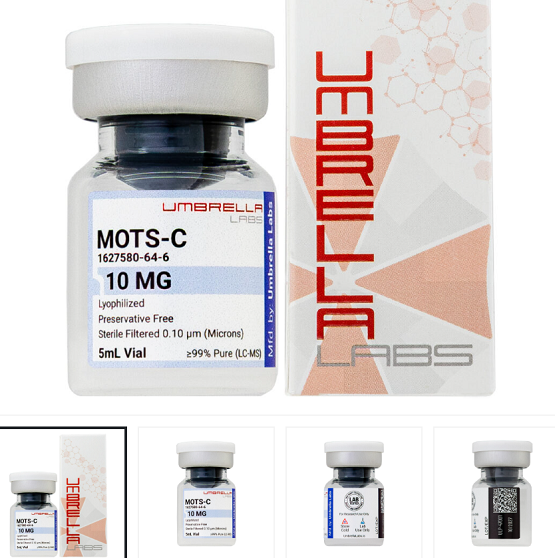
This article reviews current research, common questions, safety considerations, and how readers can evaluate public information about MOTS-c. At Drip Lounge, our approach is to start with evaluation, realistic expectations, and provider-guided options rather than chasing a trending peptide simply because it is popular online.
Keep MOTS-c at moderate doses if stacking with anabolic-focused peptides. Most people notice subtle shifts in energy stability and workout quality within 1–2 weeks. In mice, MOTS-c doubled treadmill time in old animals, prevented diet-induced obesity and insulin resistance, and nudged median lifespan up 6.4% , not statistically significant,. The only human safety data come from the analog CB4211, where mild to moderate injection-site reactions were the only treatment-related side effect in more than 10% of people over 4 weeks. What users actually describe is in our MOTS-c review, and because a flat cycle is so often a material-quality problem with this peptide, verified sourcing matters — see where to buy MOTS-c. Response varies, and the people who see the least are usually the ones who never logged a baseline to compare against.
AMPK and the “Exercise Mimetic” Label
While the time of day is not crucial, having an injection in the morning enables you to benefit from MOTS-c’s possibly energizing properties and prevents an energy surge before bedtime. When you discover an online clinic that offers MOTS-c (it’s vital to ensure that they only supply pharmaceutical-grade peptides), conduct a thorough medical assessment, and guarantee consistent monitoring during the treatment.

Fat Oxidation
This origin categorizes MOTS-c among a specific group of mitochondrial-derived peptides. It is not established as a validated therapy for weight loss, anti-aging, metabolic, or performance purposes. Existing research does not support these claims at a clinical level. Marketing frequently emphasizes fat loss (metabolic improvement), increased energy, delayed aging, and enhanced physical performance. Current claims regarding MOTS-c often exceed the available scientific evidence. A physician decides after reviewing history, goals and baseline labs.
Rather than jumping to common protocol doses, start at 50-75% of typical doses and increase gradually over two to three weeks. The U.S. Anti-Doping Agency specifically lists these among the side effects reported by people who purchase MOTS-c online. The doses discussed below are drawn from published research and physician-directed compounded protocols and are provided for education, not as self-administration instructions. Research protocols most commonly use 5 mg injected subcutaneously three to five times per week.
What is the significance of the FDA review?
If the eventual rulemaking goes through (MOTS-c could move from gray-market research peptide to physician-prescribed compounded medication), with real gains in quality and standardization. One fixes the power plant (the other changes its orders), which is why plenty of people run them together instead of picking one. The GLP-1 comparison is the one people ask about most. Only centrally administered MOTS-c (directly into the brain, not something people do outside of research) showed cognitive effects.
Although it should not replace training, it may serve as a method to enhance the advantages as natural production decreases with age. MOTS-c’s signaling influence on metabolism is more extensive than that of most peptides (as it specifically originates from the mitochondria), the organelles tasked with generating energy for your cells. An injection administered 10 minutes prior to exercising resulted in a 12% increase in running time and a 15% rise in distance.
The exercise of young male participants on a stationary bike was the focus of a study conducted by researchers on humans. Demonstrating a clinical effect through an external MOTS-c product is distinct from measuring the naturally occurring levels of MOTS-c in the body. This information is scientifically valuable since it aids researchers in understanding when the body regulates or produces MOTS-c. Under those experimental conditions — researchers found metabolic effects, especially related to skeletal muscle.
MOTS-c lives in the longevity and mitochondrial peptide family next to SS-31 (Epitalon), and humanin — the group aimed at the machinery of aging, where the claims are big and the human data is thin. A mouse’s milligrams-per-kilogram figure is not a human dosing chart, and converting one with body-weight math just manufactures a protocol nobody has tested. Every published dose number comes from intraperitoneal mouse experiments, and the one active human trial that could establish a real dose doesn’t publicly disclose its amount.
MOTS-c is less stable than most peptides in common circulation, and this is the single most practical thing to get right. Escalation without cause is the most common protocol error described in the literature and in user reports. Cycling on and off is standard in the reported protocols, typically 4 to 8 weeks on with a comparable break. Reported protocols that spread a smaller amount across three administrations are generally described as performing better than a larger amount given twice, even when the weekly total is lower. And the registered regimen is a fixed dose once daily for 12 straight weeks, which bears no resemblance to the 2 to 3 times weekly administration with cycling breaks that community protocols describe. Biana oversees peptide therapy and hormone optimization at Generational Health in Beverly Hills (where every peptide protocol begins with a full consultation), review of medical history, and a clear discussion of expected outcomes and limitations.
Its proposed mechanisms involve supporting blood vessel formation and tissue healing processes, which again is a different area of focus compared to MOTS-c’s metabolic emphasis. Anyone exploring MOTS-c should prioritize working with a knowledgeable professional rather than relying on generic dosing information found online, since research-stage peptides can carry more uncertainty than established treatments. Because individual factors like body weight, existing health conditions, and specific goals all play a role, there’s no universal “right” approach that applies to everyone.
To understand where MOTS-c fits among other compounds, it can be helpful to review the fundamentals of what peptides are and how they differ from proteins. Because of this, researchers view MOTS-c as a candidate metabolic regulator rather than a structural or purely local molecule. The peptide is detectable in blood plasma and in multiple tissues (including skeletal muscle), and its concentrations appear to change in response to metabolic stress, physical activity, and aging. MOTS-c was first described in 2015 by a research team led by Changhan David Lee and Pinchas Cohen, who identified it while studying the coding potential hidden within mitochondrial DNA. The peptide is composed of 16 amino acids, with the sequence Met-Arg-Trp-Gln-Glu-Met-Gly-Tyr-Ile-Phe-Tyr-Pro-Arg-Lys-Leu-Arg , single-letter code MRWQEMGYIFYPRKLR,. Certified GMP onsite audits and a new Certified Facility program that encompasses banned substances, label claims and contaminants, and GMP compliance.

Check our regulatory tracker and official FDA resources for the current status of specific compounds. Understanding the safety profile of mots-c peptide requires reviewing reported adverse events across published studies. Peptide Contacts does not recommend (prescribe), or endorse any dosing protocol. Always reference the original study protocol for context when evaluating dosing data. The strength of evidence varies, it’s important to note which findings come from controlled human trials versus preclinical work when evaluating any peptide’s potential. It’s important to distinguish between these levels of evidence when evaluating any peptide’s potential.